
Lower heating and cooling costs
Ceiling insulation alone can reduce winter heat loss by up to 45 percent. With bulk batts in walls and under floors, the home retains heat in winter and resists summer heat gain, cutting energy use and power bills.
Park Orchards
Bulk insulation traps still air to slow heat transfer through ceilings, walls and floors. In Park Orchards, where older homes often lack adequate thermal resistance, installing glasswool or polyester batts cuts winter heat loss and summer heat gain, lowering heating and cooling costs year round.
Share your details and Expert Insulation Melbourne will contact you about Bulk Insulation in Park Orchards.
Bulk insulation uses materials like glasswool, polyester or rockwool batts to resist the flow of heat by trapping still air within the fibres. In Park Orchards, many homes built before the 1990s have little or no insulation, leading to rapid winter heat loss through ceilings and cold floors from uninsulated subfloors. Fitting batts between ceiling joists, inside wall cavities or under suspended timber floors adds thermal resistance measured by R-value, typically R4. 0 to R6.
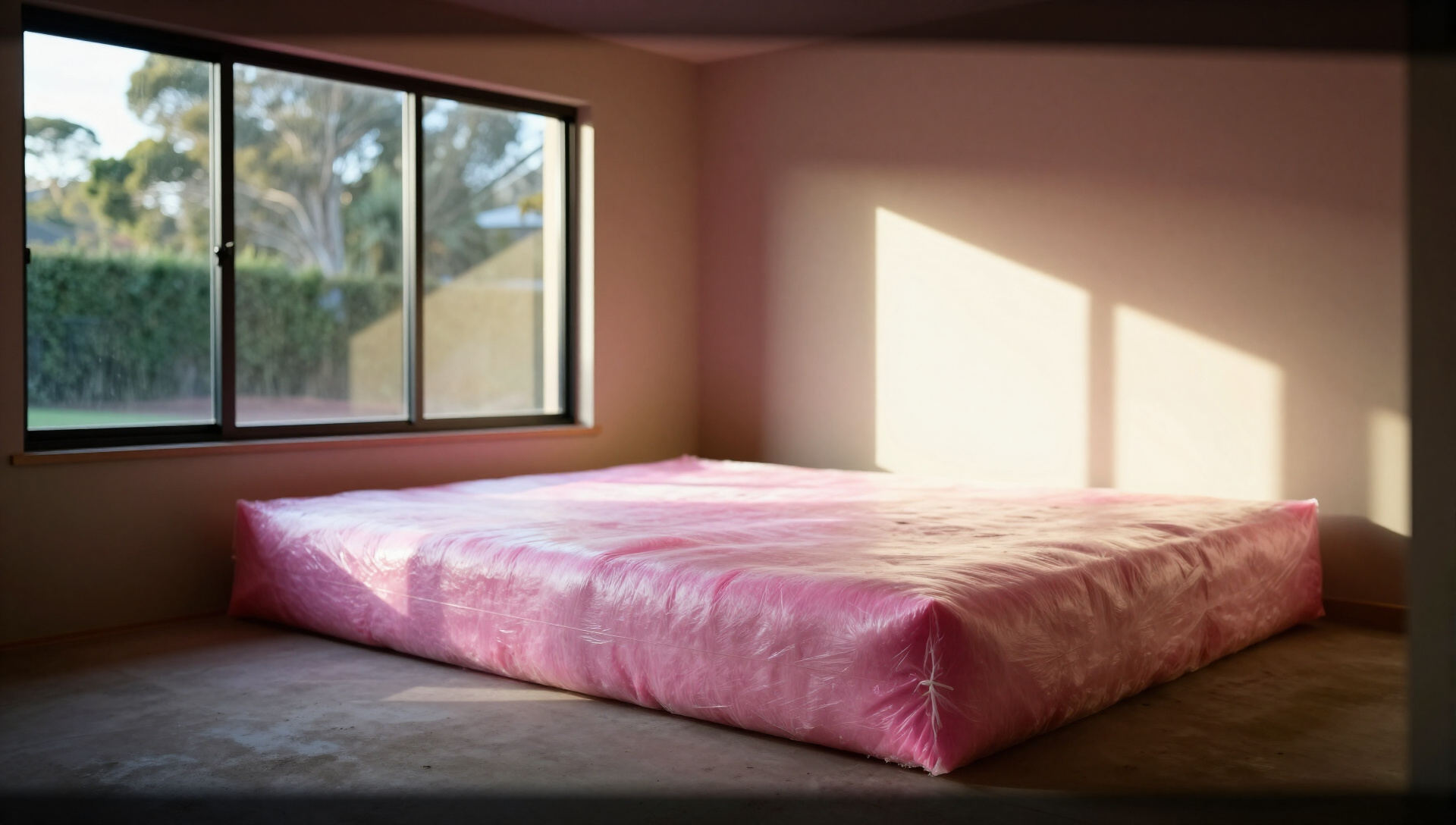
Park Orchards sits in Melbourne’s outer east, where cold winters and hot summers push heating and cooling systems hard. Bulk insulation addresses the main paths of heat transfer in typical brick veneer and weatherboard homes, delivering measurable comfort and cost benefits.
Ceiling insulation alone can reduce winter heat loss by up to 45 percent. With bulk batts in walls and under floors, the home retains heat in winter and resists summer heat gain, cutting energy use and power bills.
Bulk materials slow the rate of heat transfer, so rooms stay warmer for longer in winter and cooler in summer. This evens out temperature swings and reduces the need for constant heating or cooling.
Properly installed bulk insulation in ceilings and walls helps manage moisture by reducing temperature differences that cause condensation on surfaces, protecting the structure and improving air quality.
Denser bulk materials like rockwool absorb airborne noise, reducing sound transfer between rooms and from outside. This is useful in Park Orchards homes near main roads or with open-plan living areas.
Glasswool and polyester batts do not settle or degrade over time if installed correctly. They maintain their R-value for the life of the home, requiring no replacement unless damaged by water or pests.
Bulk batts can be added to most existing homes without major renovations. Ceiling insulation is installed in the roof space, wall batts fit into open stud frames during renovations, and underfloor batts are placed between joists from the subfloor.
Installing bulk insulation is straightforward when access is available. The process varies slightly depending on whether the job is in the ceiling, walls or underfloor, but the principles of safe, gap-free installation remain the same.
We check the roof space for existing insulation, electrical cables, downlights and any signs of moisture or pest damage. Old compressed batts are removed if they no longer perform, and ceiling dust is vacuumed out before new batts go in.
Batts are cut to fit snugly between ceiling joists, wall studs or floor joists without compression, which would reduce their R-value. We maintain required clearances around downlights, flues and other heat sources to meet safety standards.
Each batt is friction-fit so it stays in place and covers the full area without gaps. In ceilings, we work from the manhole or access hatch, laying batts perpendicular to joists. Under floors, we work from the subfloor, securing batts between joists with staples or straps if needed.
We inspect the installation to ensure full coverage and no gaps or compression. All offcuts and packaging are removed from the site, and the roof space or subfloor is left clean. If old insulation might contain asbestos, work stops until a qualified assessor inspects it.
Park Orchards is a semi-rural suburb in Melbourne’s east with a mix of older weatherboard homes and newer brick veneer houses. Many properties were built before insulation standards improved, leaving ceilings and underfloors uninsulated. The area’s exposure to cold winters and hot summers makes bulk insulation a cost-effective upgrade for year-round comfort. Nearby suburbs like Warrandyte and Ringwood share similar housing stock and climate, so the same principles apply.
Bulk insulation for older homes in Park Orchards to cut heating costs and improve comfort.
Homeowners in Park Orchards often ask about the practicalities of installing bulk insulation, from cost factors to R-value choices. Here are answers to the most common questions.
Bulk insulation in Park Orchards addresses the main cause of energy loss in older homes: poor thermal resistance in ceilings, walls and floors. Glasswool, polyester and rockwool batts trap still air to slow heat transfer, keeping homes warmer in winter and cooler in summer. For Park Orchards properties, ceiling insulation is the priority, as up to 45 percent of winter heat escapes through an uninsulated roof space.
The R-value indicates thermal resistance, with higher numbers providing better performance. In Melbourne’s climate, ceilings commonly use R4.0 to R6.0 batts, walls R2.0 to R2.7, and underfloors R1.5 to R2.5. The right R-value depends on the home’s construction, exposure and the homeowner’s comfort and budget goals. Bulk materials are non-reflective, so they work best when combined with reflective foil in roof spaces for added summer heat protection.
Costs for bulk insulation in Park Orchards vary with the size of the home, access to the roof space or subfloor, the chosen R-value and whether old insulation needs removal. A typical three-bedroom brick veneer home may take half a day to insulate the ceiling, with underfloor work adding time if crawl space is limited. Homeowners should clear the roof space of stored items before installation and ensure safe access to the manhole.
Reduce winter heat loss and summer heat gain with bulk insulation for your Park Orchards home. We install glasswool, polyester and rockwool batts in ceilings, walls and underfloors.